ISO 22000 Internal Audit Checklist: Guide & Template


ISO 22000 Internal Audit Checklist: Your Essential Guide to Food Safety Compliance
Ensuring food safety is a top priority for any organization in the food chain. If you're managing a food safety management system (FSMS), conducting regular internal audits is key to maintaining compliance and driving continuous improvement. In this guide, we'll dive into everything you need to know about an ISO 22000 internal audit checklist, including how to use it effectively and what to include for thorough audits.
Whether you're preparing for certification or simply aiming to strengthen your processes, this resource will help you navigate the requirements with confidence. We'll cover the basics, provide a step-by-step approach, and share a sample template to get you started.
What Is an ISO 22000 Internal Audit Checklist?
An ISO 22000 internal audit checklist is a structured tool designed to evaluate your organization's adherence to the ISO 22000:2018 standard for food safety management systems. It serves as a roadmap for auditors to assess key areas like hazard analysis, operational controls, and management responsibilities.
This checklist isn't just a formality—it's a practical instrument that helps identify gaps, ensure regulatory compliance, and enhance overall food safety practices. Unlike external audits, internal ones allow your team to self-assess and correct issues before they escalate.
Common variations include the ISO 22000 audit checklist, ISO 22000 internal audit template, and even specialized versions like the ISO 22000 food safety audit checklist. These tools often incorporate HACCP principles, making them versatile for different sectors.
Why Use an ISO 22000 Audit Checklist?
Implementing an ISO 22000 compliance checklist brings several benefits:
- Proactive Risk Management: Spot potential food safety hazards early, aligning with HACCP internal audit checklist requirements.
- Efficiency in Audits: Streamline the process with predefined ISO 22000 internal audit questions, saving time and resources.
- Improved Documentation: Ensure your FSMS internal audit checklist covers all necessary records, from policies to verification activities.
- Certification Readiness: Prepare for the ISO 22000 certification process by addressing audit requirements head-on.
- Continuous Improvement: Use findings from the ISO 22000 audit report example to refine your system over time.
By regularly using an ISO 22000 audit form, organizations can foster a culture of accountability and excellence in food safety.
How to Conduct an ISO 22000 Internal Audit: A Step-by-Step Guide
Ready to perform your audit? Follow this step-by-step ISO 22000 internal audit guide to make the process smooth and effective.
Step 1: Plan the Audit
Define the scope, objectives, and schedule. Review ISO 22000 audit requirements and select trained internal auditors. Consider the ISO 22000 internal auditor training if your team needs a refresher.
Step 2: Prepare Your Checklist
Customize an ISO 22000:2018 internal audit checklist to fit your operations. Include clause-wise sections based on the standard, such as leadership, planning, support, operation, performance evaluation, and improvement.
Step 3: Gather Documentation
Collect relevant materials outlined in your ISO 22000 documentation checklist, including policies, procedures, and records.
Step 4: Perform the Audit
Walk through each area using your ISO 22000 internal audit questions. Observe processes, interview staff, and verify evidence.
Step 5: Report Findings
Document non-conformities and opportunities for improvement in an ISO 22000 audit report example format.
Step 6: Follow Up
Implement corrective actions and verify their effectiveness in subsequent audits.
This approach works well for various industries, from an ISO 22000 internal audit checklist for food manufacturing to one tailored for the catering industry.
Sample ISO 22000 Internal Audit Checklist Template
Here's a practical ISO 22000 internal audit template you can adapt. It's organized by the standard's clauses for clarity. For a downloadable version, consider creating your own based on this structure—perhaps as a sample ISO 22000 internal audit checklist PDF or an ISO 22000 audit checklist template Excel.
Clause 4: Context of the Organization
- Have external and internal issues been identified that could impact the FSMS?
- Are interested parties and their requirements documented?
- Is the scope of the FSMS clearly defined?
Clause 5: Leadership
- Does top management demonstrate commitment to the FSMS?
- Is there a food safety policy in place and communicated?
- Are roles and responsibilities assigned for food safety?
Clause 6: Planning
- Have risks and opportunities been addressed?
- Are FSMS objectives established and monitored?
- Is there a plan for changes to the FSMS?
Clause 7: Support
- Are resources adequate for the FSMS?
- Is competence of personnel ensured through training?
- Is communication effective, both internal and external?
Clause 8: Operation
- Has a hazard analysis been conducted (HACCP integration)?
- Are prerequisite programs (PRPs) and operational PRPs in place?
- Is traceability system effective?
- Are emergency situations prepared for?
Clause 9: Performance Evaluation
- Is monitoring and measurement planned and implemented?
- Are internal audits conducted at planned intervals?
- Does management review evaluate FSMS effectiveness?
Clause 10: Improvement
- Are non-conformities managed and corrective actions taken?
- Is there evidence of continual improvement?
- Are updates to the FSMS made as needed?
This ISO 22000:2018 clause-wise checklist includes key internal audit questions for ISO 22000:2018. Customize it with yes/no columns, evidence notes, and action items for better usability.
Food Safety Audit Best Practices
To maximize the value of your ISO 22000 audit preparation and procedure:
- Train auditors thoroughly to ensure objectivity and accuracy.
- Integrate technology where helpful, such as an ISO 22000 internal audit tool for tracking.
- Focus on root causes during follow-ups to prevent recurrence.
- Schedule audits regularly, not just before certification.
- Encourage cross-functional involvement for comprehensive insights.
These food safety audit best practices will help maintain a robust FSMS internal audit checklist.
Final Thoughts
An ISO 22000 internal audit checklist is more than a compliance exercise—it's a cornerstone for building trust in your food safety management system. By following this guide, you'll be well-equipped to conduct effective audits and drive meaningful improvements.
If you're looking for a free ISO 22000 audit checklist download or an ISO 22000 internal audit form download, start with the sample above and expand it to suit your needs. Remember, consistency is key to long-term success in food safety.

Join our newsletter!
Enter your email to receive our latest news.
Don't worry, we don't spam


Related Articles

Guide to Developing a Professional Checklist for ISO 45001 Diagnostic Audits
The ISO 45001 standard establishes a framework for Occupational Health and Safety Management Systems (OHSMS), aiming to enhance employee safety, reduce workplace risks, and create safer working conditions. A diagnostic audit aligned with ISO 45001 is a proactive approach that allows organizations to assess current compliance, identify weaknesses, and prioritize improvements. Central to this process is a professionally structured checklist that ensures consistency, accuracy, and depth in audit execution.

Cooling, Heating, and Storage Methods: Your Essential Guide
Discover how to create a cooling, heating, and storage methods template to ensure food safety, meet compliance, and optimize temperature control with free templates.
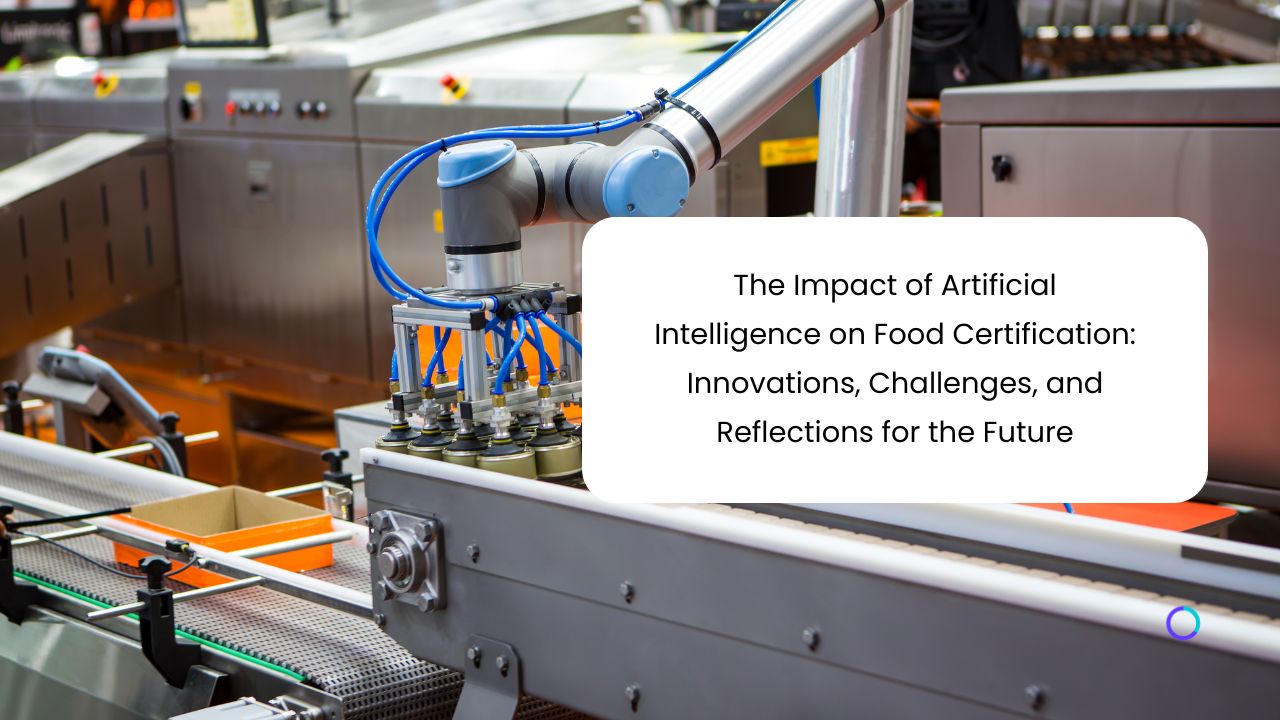
The Impact of Artificial Intelligence on Food Certification: Innovations, Challenges, and Reflections for the Future
Food certification has long been a cornerstone for ensuring the quality, safety, and consumer trust in the products we eat. In recent years, artificial intelligence (AI) has been transforming various sectors—and food certification is no exception. This article, written in approximately 3000 words, dives deep into how AI is reshaping the world of food certification. It explores the benefits, the uncertainties, and raises questions that invite us to rethink the traditional models of food safety.