Meat Cooking Rules Guide

Meat Cooking Rules: Your Essential Guide
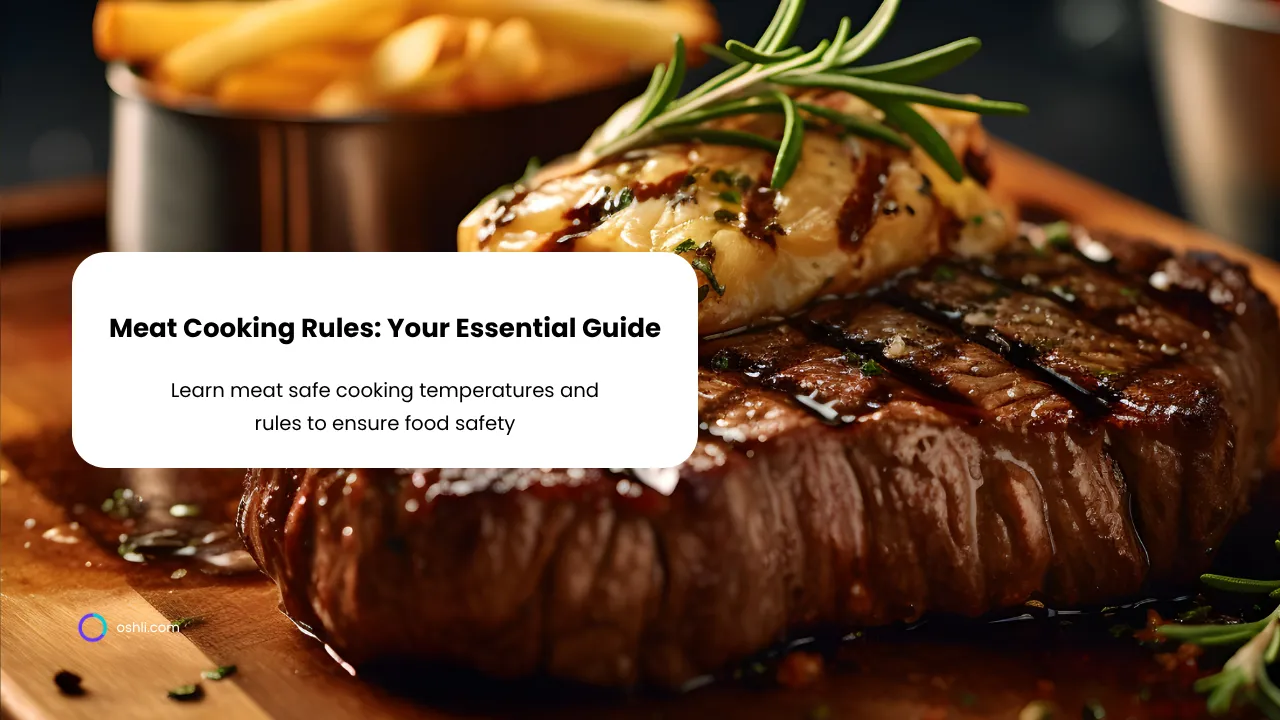
Mastering the right meat cooking rules is key to preventing foodborne illnesses, ensuring food safety compliance, and delivering perfectly cooked meat. This guide walks you through creating a meat internal temperature chart to streamline temperature control procedures, align with food safety standards for meat, and support meat cooking regulations set by the EFSA. Whether you’re managing a professional kitchen or cooking at home, this template ensures safe meat preparation and delicious results.
From defining safe internal cooking temperatures for meat to monitoring cooking processes, we’ll cover practical steps to develop a meat temperature template. By the end, you’ll have a clear plan to implement a safe meat temperature guide with free, customizable tools.
The Importance of Meat Cooking Rules
A meat internal temperature chart is the foundation of effective meat cooking safety. It ensures meat reaches the safe meat temperature to eliminate harmful bacteria, prevents overcooking, and aligns with food safety regulations compliance. For cooks and kitchen managers, a meat temperature template provides clarity, reduces risks, and ensures consistent quality.
Beyond meeting meat cooking regulations, a structured meat temperature guide for food safety enhances flavor, builds trust with diners, and improves operational efficiency. Whether preparing beef, pork, lamb, or poultry, best practices for meat cooking temperatures guarantee safety and culinary excellence.
Key Components of a Meat Temperature Chart
To create an effective meat temperature template, focus on these essential elements:
1. Safe Internal Cooking Temperatures for Meat
Establish the safe meat temperature: 63°C (145°F) for beef, pork, and lamb (with rest time), and 74°C (165°F) for poultry and ground meat, as per EFSA guidelines. This meat cooking temperature guide ensures risks are managed and aligns with food safety standards for meat.
2. Temperature Monitoring Guidelines
Outline procedures for using calibrated thermometers to check meat internal temperature. Including these in your meat temperature chart supports temperature control procedures and ensures accuracy in safe meat preparation.
3. Resting and Serving Protocols
Detail resting times after cooking to allow juices to redistribute, enhancing flavor and texture. A meat temperature template ensures meat temperature guide for food safety standards are met for meat temperature compliance.
4. Staff Training Guidelines
Include protocols for training staff on how to check meat cooking temperature and safe practices. A meat cooking temperature template supports best practices for meat cooking temperatures and ensures consistent execution.
5. Documentation and Compliance
Record temperature logs and corrective actions to meet meat cooking regulations. A meat temperature compliance guide ensures adherence to food safety standards for meat and simplifies audits.
How to Implement Your Meat Temperature Chart
Consistency is critical for success. Use a meat cooking temperature checklist to track meat internal temperature, monitoring, and compliance tasks daily. Conduct regular reviews to refine processes, ensuring alignment with best practices for meat cooking temperatures and meat temperature compliance standards.
Integrate the meat temperature chart into staff training to ensure proper execution. Regular audits using a free meat temperature chart download or meat temperature template Excel help identify gaps and maintain food safety standards for meat across operations.
Tools and Templates for Your Meat Temperatures
Simplify meat cooking safety with practical tools. A free meat temperature chart download or meat temperature template Excel can be customized to your operation’s needs. For convenience, try a digital meat temperature app for real-time tracking and updates.
Opt for a free printable meat temperature template for manual use or a meat temperature template PDF free for digital flexibility. These meat cooking temperature tools make adhering to food safety standards for meat straightforward and efficient.
Mastering Your Meat Temperature Chart: A Success Guide
To excel, conduct regular audits with a meat cooking temperature checklist template and train staff on meat temperature monitoring standards. Update your safe meat temperature guide to address evolving needs and ensure adherence to meat cooking regulations. A safe meat temperature guide download helps track progress and maintain consistency.
By embedding a meat internal temperature chart into your operations, you’ll ensure meat cooking safety, achieve compliance, and serve delicious meat. The goal is continuous improvement—regular use of these tools makes meat temperature compliance second nature, benefiting your team and diners.
Join our newsletter!
Enter your email to receive our latest news.
Don't worry, we don't spam


Related Articles

Guide to Developing a Professional Checklist for ISO 45001 Diagnostic Audits
The ISO 45001 standard establishes a framework for Occupational Health and Safety Management Systems (OHSMS), aiming to enhance employee safety, reduce workplace risks, and create safer working conditions. A diagnostic audit aligned with ISO 45001 is a proactive approach that allows organizations to assess current compliance, identify weaknesses, and prioritize improvements. Central to this process is a professionally structured checklist that ensures consistency, accuracy, and depth in audit execution.
Cooling, Heating, and Storage Methods: Your Essential Guide
Discover how to create a cooling, heating, and storage methods template to ensure food safety, meet compliance, and optimize temperature control with free templates.
The Impact of Artificial Intelligence on Food Certification: Innovations, Challenges, and Reflections for the Future
Food certification has long been a cornerstone for ensuring the quality, safety, and consumer trust in the products we eat. In recent years, artificial intelligence (AI) has been transforming various sectors—and food certification is no exception. This article, written in approximately 3000 words, dives deep into how AI is reshaping the world of food certification. It explores the benefits, the uncertainties, and raises questions that invite us to rethink the traditional models of food safety.